Column · @thehighqualitycannabisoiledge
How to Identify High-Quality Cannabis Oil for a Cleaner Experience
When I first started exploring cannabis concentrates, I was overwhelmed by the variety. Oils, waxes, resins, and extracts all promised potency, but few delivered the clean, consistent experience I was after. Over time, I learned that the real difference comes down to one thing: the quality of the oil itself. Whether you are new to concentrates or a seasoned user, understanding what makes high-quality cannabis oil stand out can save you money, frustration, and disappointment.
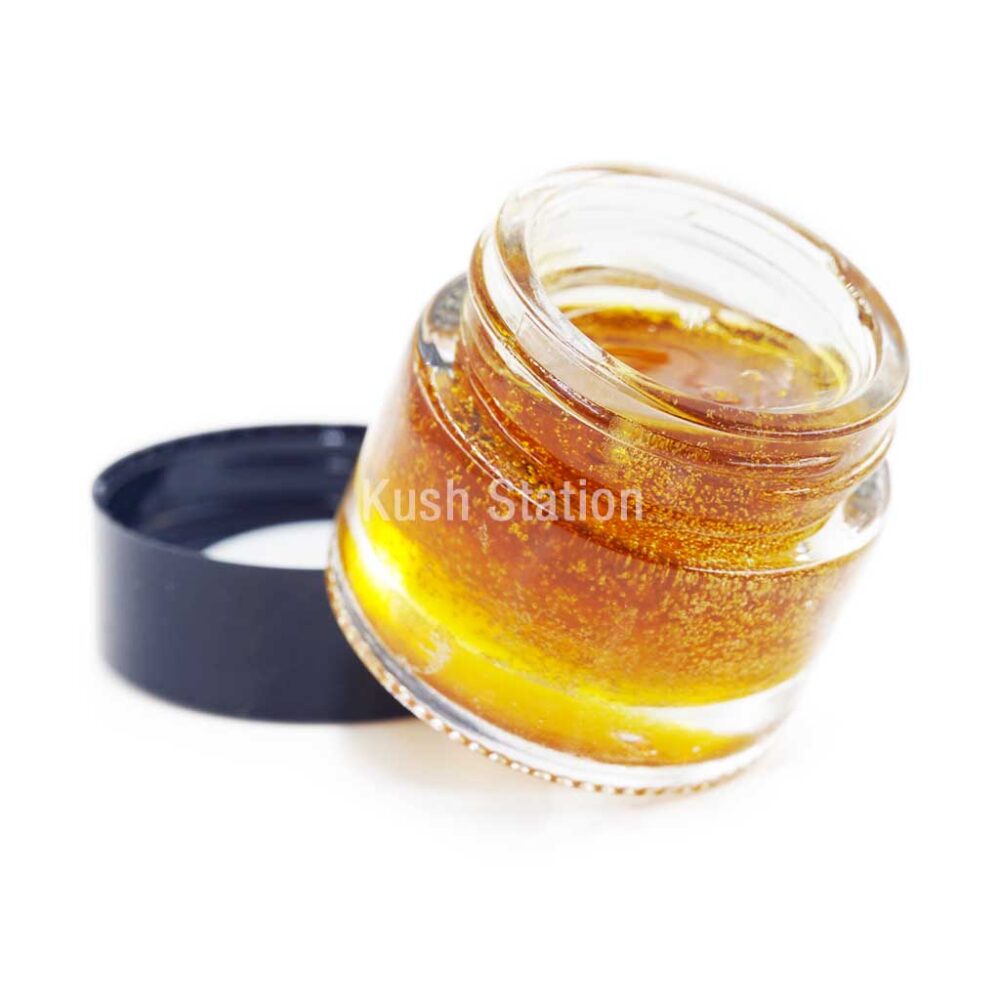
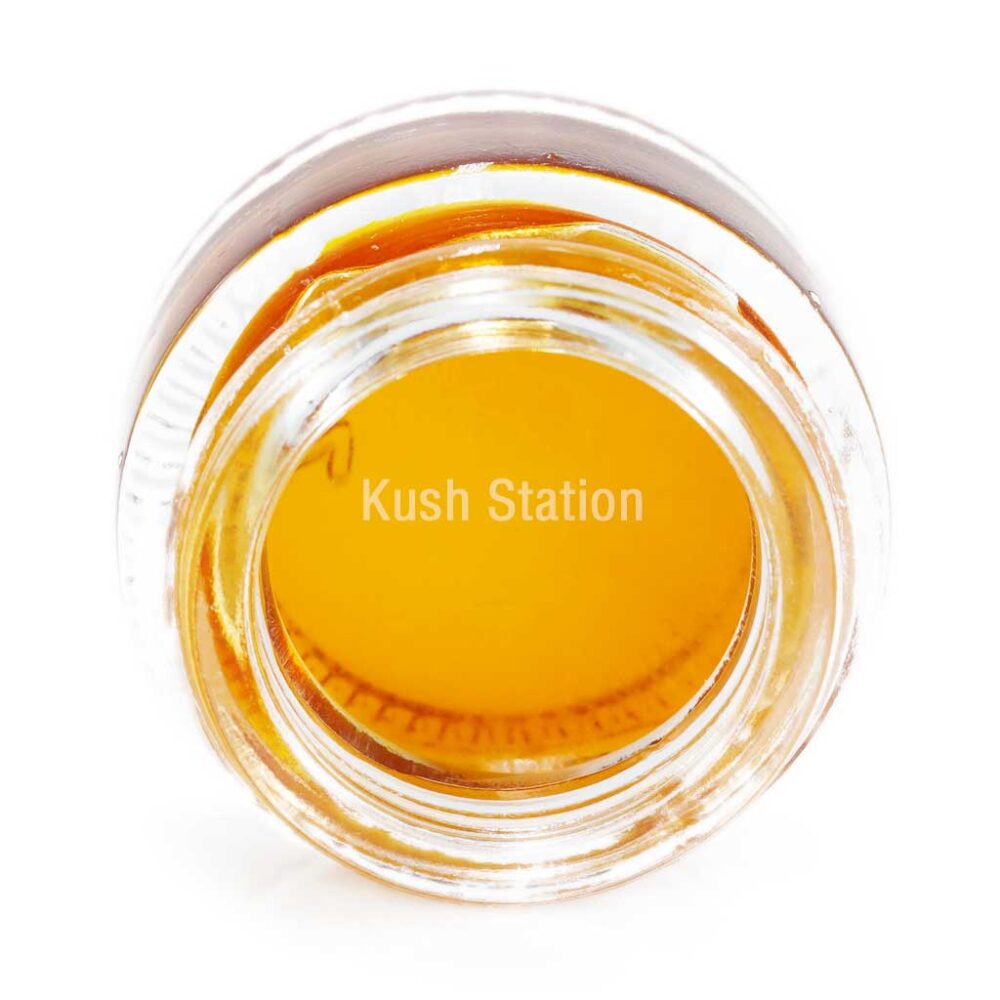
For anyone shopping at a place like Kush Station, the focus is on lab-tested honey oil and other concentrates that are verified for purity and potency. This is not just marketing hype. When a product is lab-tested, you get real numbers for THC, CBD, and terpenes. That transparency changes how you choose and use your oil. It turns guessing into informed decision-making.
What Makes Cannabis Oil "High Quality"?
Quality in cannabis oil is not just about high THC percentages. A truly high-quality cannabis oil delivers a full-spectrum profile, meaning it preserves the range of cannabinoids and terpenes found in the original plant. This is what creates the entourage effect, where compounds work together to produce a more nuanced and effective experience. A narrow, isolated extract might test high in THC, but it often feels flat compared to a full-spectrum product.
Extraction method matters a lot. CO2 extraction and solventless techniques like rosin pressing produce cleaner oils because they avoid chemical residues. Live resin, made from freshly frozen plants, retains more volatile terpenes, which means better flavor and aroma. Batch analysis from third-party testing confirms that what is on the label matches what is in the jar. Without that, you are trusting marketing over science.

Reading the Lab Results
I remember my first time looking at a certificate of analysis. It seemed like a wall of numbers. But once I learned what to focus on, it became my most useful tool. Look for the cannabinoid profile: THC and CBD levels are obvious, but also check for minor cannabinoids like CBG or CBC. The terpene profile is just as important. Myrcene, limonene, and caryophyllene each contribute different effects and flavors.
One thing to watch for is the presence of residual solvents or pesticides. A clean lab report shows no detectable contaminants. That is where third-party testing earns its value. When Kush Station offers lab-tested honey oil, they are giving you the data to decide. Do not skip reading it. The difference between a mediocre oil and a premium one is often visible in the numbers.
Strains and Their Role in Oil Quality
Not all cannabis oils are created equal, and strain choice plays a big part. Indica oils tend to be relaxing and sedating, great for evening use. Sativa oils are more uplifting and energizing, better for daytime. Hybrid oils offer a balance. But the strain alone does not guarantee quality. A poorly extracted Indica oil will still be poor quality. The best producers start with high-grade plant material and use careful processing to preserve the strain's character.
I have tried honey oil from a variety of sources, and the ones that stand out always come with clear strain labeling and batch-specific lab results. Without that, you are buying a mystery. With it, you can match the oil to your mood and needs. For instance, a Sativa honey oil with high limonene content might be perfect for creative work, while a high-myrcene Indica is better for winding down.
How to Use High-Quality Cannabis Oil
Using a high-quality cannabis oil properly makes a real difference. The most common methods involve a dab rig or a vape pen. A dab rig gives you full control over temperature, which matters because different terpenes vaporize at different temperatures. Too hot, and you burn off the delicate flavors and some cannabinoids. Too cool, and you waste material. A good target is between 315 and 450 degrees Fahrenheit, depending on the oil's consistency.
A vape pen is more portable and discreet, but it often lacks precise temperature control. For honey oil, which can be runny or thick depending on the strain, a device with adjustable wattage helps. I always recommend starting with a small dab, about the size of a grain of rice, and waiting a few minutes to gauge the effect. Overdoing it with a potent concentrate can be overwhelming, even for experienced users.
Dosage Guide and Practical Tips
Dosage is personal, but a few guidelines help. If you are new to concentrates, start with 2 to 5 milligrams of THC per session. That is roughly a 1-millimeter dab. Experienced users might go up to 10 or 15 milligrams. Always check the THC percentage on the batch analysis. A 70% THC oil is much stronger than a 50% one, so adjust accordingly.
- Store your oil in a cool, dark place to preserve terpenes and prevent degradation.
- Use a non-stick tool to handle honey oil; it reduces waste and keeps your fingers clean.
- Clean your dab rig or vape pen regularly to avoid residue buildup that affects flavor.
These small habits extend the life of your oil and ensure each session tastes as intended.
Full-Spectrum vs. Isolated Cannabinoids
One debate I hear often is whether full-spectrum oil is always better. For most people, yes. The entourage effect works best when multiple cannabinoids and terpenes are present. Isolated THC distillates can be potent, but they often lack depth. Full-spectrum oil gives a more rounded experience, with the CBD and minor cannabinoids modulating the THC high. That is why honey oil, which is typically a full-spectrum extract, has become so popular.
Solventless extraction methods, like mechanical separation or ice water hash, produce some of the cleanest full-spectrum oils. CO2 extraction also does a good job preserving the profile without chemical solvents. When you see "solventless" on a label, it usually means the oil is purer and closer to the original plant.
Why Lab Testing Matters More Than You Think
I used to think lab testing was just a checkbox for compliance. Then I bought a batch of supposedly premium oil that smelled off and left a harsh aftertaste. The lab report showed high levels of residual butane. That experience taught me to never skip the batch analysis. Third-party testing is the only way to verify that your oil is free from contaminants and accurately labeled.
Kush Station's model of offering lab-tested honey oil gives buyers confidence. You can see exactly what you are getting: the cannabinoid percentages, the terpene breakdown, and the absence of harmful substances. That level of transparency is rare in the market, and it is a sign of a seller who respects the product and the customer.
Final Thoughts on Choosing Your Oil
The market for cannabis concentrates is crowded, but the best advice I can give is to prioritize transparency and extraction quality. A high-quality cannabis oil will have a clear lab report, a known strain, and a clean extraction method. Whether you prefer Indica, Sativa, or Hybrid, the principles are the same. Look for full-spectrum, solventless or CO2-extracted oils from reputable sources.
When you find a product that meets those standards, the experience is noticeably better. The flavor is richer, the effects are more predictable, and you waste less money on subpar products. For anyone serious about concentrates, investing in quality oil is not just about getting high. It is about respecting the plant and your own well-being. So take the time to read the labels, check the lab results, and enjoy the difference that real quality makes.